National Museum Of Singapore

National Museum Of Singapore
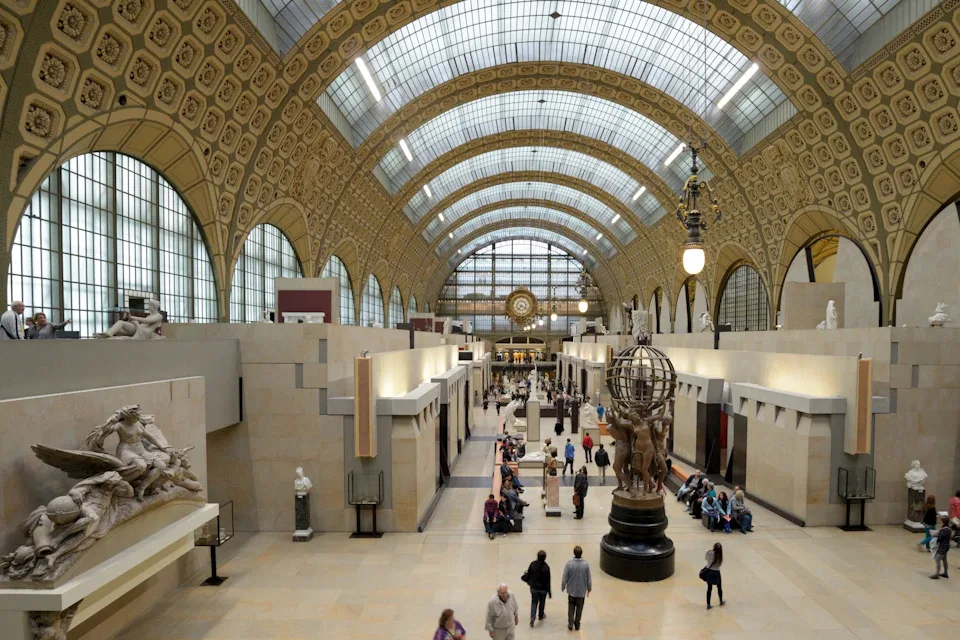
Symmetrical yellow exhibition aisles in a grand historic gallery hall

🎫 Tickets, tours & discounts

[ { "Which ticket to choose": "For most international visitors, the standard Permanent Galleries ticket is the most practical choice. It provides full access to the Singapore History Gallery and the four 'Life in Singapore' galleries, which cover the essential narrative of the city-state.

You should only opt for the All-Access Pass if there is a specific special exhibition running that aligns with your interests, as the permanent collection alone takes about two to three hours to explore thoroughly.\n\n- Permanent Galleries: The best value for understanding Singapore’s 700-year history.\n- All-Access Pass: Includes seasonal, high-tech, or art-focused temporary exhibitions.\n\nA common mistake is purchasing an All-Access Pass late in the day.

The museum closes at 7:00 PM, and trying to cover both the permanent history galleries and a major special exhibition in under two hours often leads to a rushed and unsatisfying experience.", "Best time to visit": "The museum opens at 10:00 AM, and arriving at this time is the best way to avoid the school groups and tour buses that typically arrive by midday.

Weekdays are significantly quieter than weekends, when local families frequent the interactive zones.

For photographers, the mid-morning light hitting the glass rotunda and the neo-classical facade provides the best natural illumination.\n\nSolo travelers and history enthusiasts should aim for a Tuesday or Wednesday morning for the quietest atmosphere.

Families may find the weekend buzz more engaging, as there are often more staff-led activities for children during those times.", "Combos and discounts": "Singapore Citizens and Permanent Residents enjoy free admission to the permanent galleries; if you hold this status, simply present your NRIC or Singpass at the counter.

For tourists, the museum is a featured attraction on the Go City Singapore Pass and the Klook Singapore Pass.

These are excellent options if you plan to visit the nearby National Gallery Singapore or the Asian Civilisations Museum within the same few days.\n\nDiscounted rates are strictly enforced for seniors (60 and above) and students, so carry a physical or digital ID.

Children aged 6 and under enter for free regardless of nationality.", "When a tour makes sense": "Taking a guided tour is highly recommended here because the narrative of Singapore's transition from a fishing village to a global hub is complex.

The museum offers free volunteer-led tours, usually departing from the Rotunda. These guides provide anecdotal context that you won't find on the placards, making the history feel much more personal. \n\nIf you prefer a self-paced visit, you can skip the tour without missing out on the facts.

The museum is exceptionally well-signposted with English descriptions and immersive multimedia displays, making it one of the most accessible museums in Asia for solo exploration.\n\nTip: If you arrive via MRT, the Bras Basah station (Circle Line) is the closest exit, putting you right at the museum's side entrance.

Bencoolen station (Downtown Line) and City Hall (North-South/East-West Lines) are also within a short walking distance." } ]

Gallery room with framed paintings and a sculpture on pedestal
Weather nowOvercast sky
Singapore, Singapore
NowOvercast ☁️
Temperature32°C
VisibilityGood
AerosolsClean air · AOD 0.19

Conditions are mixed — plan accordingly and check for covered areas.

AOD — how much dust and haze in the air dim the distant view. 0 clean, >0.4 noticeable, >0.7 heavy.

Crowd indicator

Weekdays at opening time offer the quietest experience, while weekends and midday hours see heavy traffic from local families and tour groups seeking air-conditioned relief.

When to go?

Mini-calculator based on crowd levels by day and time.

Best time at Mon — 18:00

This day is usually calmer than average. This slot has a higher chance of a comfortable visit: Very quiet before closing. Weather is currently not ideal: overcast ☁️.

30–50% · Quiet60–80% · Moderate90–100% · Crowded

Nearest days

TodayExpect heavy weekend crowds, particularly local families enjoying the interactive zones in the afternoon.
10:0040%
12:0075%
14:0085%
16:0070%
17:0050%
18:0025%
TomorrowA noticeable drop in crowds compared to the weekend, though midday tour groups still arrive.
10:0020%
12:0050%
14:0060%
16:0045%
17:0030%
18:0015%
Day after tomorrowOne of the best days for a quiet visit, ideal for solo travelers and history buffs.
10:0015%
12:0045%
14:0055%
16:0040%
17:0025%
18:0010%
Reference

Facts

Read more

[ { "### Figures and Scale": [ "- Opening: 1887, establishing it as the oldest museum in Singapore and a primary landmark of the Civic District.", "- Total floor area: 18,400 square meters, accommodating expansive permanent galleries and a modern glass-and-steel extension.", "- Redevelopment cost: SGD 132.6 million for the massive 2003-2006 restoration that doubled the museum's original size.", "- Glass Rotunda height: 15 meters, featuring a 360-degree digital projection space that serves as a bridge between the old and new wings.", "- Artifact count: Over 1,700 items are showcased in the Singapore History Gallery, representing seven centuries of the island's evolution.", "- Historical depth: 700 years of documented history are covered, tracing the journey from a 14th-century trading post to a modern nation-state." ], "### Myths and Misconceptions": [ "- Myth: The museum has always been a dedicated space for historical artifacts and art.

Fact: It originally functioned as the Raffles Library and Museum, housing the national library collection until 1960.", "- Myth: The entire building is a preserved Victorian-era colonial structure.

Fact: The rear portion is a contemporary architectural addition completed in 2006, featuring a massive glass rotunda and steel supports.", "- Myth: The exhibits only focus on the period after the British arrived in 1819.

Fact: The Singapore History Gallery begins in the 14th century, documenting the pre-colonial Kingdom of Singapura and its maritime trade." ], "### Rare and Unusual": [ "- The Singapore Stone: A fragment of an ancient sandstone slab with an undeciphered script from the 10th to 14th century is displayed as a National Treasure.", "- Hidden spiral staircases: Original 19th-century cast-iron spiral stairs are still located in the historic wing, once used by librarians to access high book stacks.", "- Stained glass protection: The 120 colored glass panels in the rotunda dome were removed and hidden during World War II to prevent damage from aerial bombings.", "- The William Farquhar Collection: The museum holds 477 natural history drawings from the early 1800s, which are brought to life through a massive digital installation.", "- The Forbidden Hill connection: The museum is built at the foot of Fort Canning Hill, which was once the exclusive residence of Malay kings and is considered sacred ground." ] } ]

Background

History

Read more

{ "summary": "Singapore's oldest museum, blending colonial architecture with modern storytelling to trace the island's journey from a 19th-century outpost to a global city.", "history_body": "The National Museum of Singapore stands as the city's oldest cultural institution, originally established in 1849.

It moved to its iconic Stamford Road location in 1887, housed in a Neo-Palladian building designed to celebrate the British colonial era.

Today, the structure is a visual metaphor for Singapore itself, where a 19th-century dome seamlessly connects to a cutting-edge glass and steel rotunda.\n\n### From Colonial Archive to National Identity\nWhile it began as a collection of regional natural history and curiosities, the museum shifted its focus in the 20th century to document the birth of a nation.

It survived the turmoil of the Japanese Occupation and later became the primary site for preserving the stories of Singapore’s rapid modernization and independence.\n\nFor visitors, the museum provides the essential context needed to understand the Singaporean identity.

It uses immersive technology and personal artifacts to explain how this small island navigated global conflicts and economic shifts to become the hub it is today. This is the best starting point for anyone looking to see the city as more than just a skyline." }

Reliability & freshness

UpdatedMay 31, 2026

I live in Singapore and, after seven years here, I write clear guides on transport, neighbourhoods, costs, and daily travel logistics.